Finished basements offer valuable living space, but they often struggle with one major drawback—lack of natural light. Whether you’re turning your basement into a family room, home office, gym, or guest suite, lighting plays a crucial role in making the space feel open, safe, and welcoming.
If your finished basement feels dim or enclosed, the good news is that you don’t have to settle. With smart design choices and strategic lighting upgrades, you can dramatically improve visibility and comfort. Here’s how to brighten your basement and transform it into a vibrant extension of your home.
Why Basements Tend to Be Dark
Basements typically have a few structural challenges when it comes to lighting:
-
Limited natural light due to small windows or below-grade construction
-
Low ceilings, ductwork, or soffits that reduce overhead lighting options
-
Exposed beams, drywall edges, and poorly lit corners that create heavy shadows
These factors can make your finished basement feel more like a storage space than a comfortable living area. However, with the right combination of lighting strategies and materials, you can overcome these limitations.
5 Ways to Brighten Your Finished Basement
-
Use Layered Lighting
The most effective lighting plans use a mix of ambient, task, and accent lighting to create a warm, balanced environment.
Ambient lighting includes recessed lights, flush-mounted ceiling fixtures, or smart LED panels that provide general illumination.
Task lighting—like under-cabinet lights, pendant lights, or desk lamps—focuses on specific activities like reading or working.
Accent lighting adds personality and depth. Think wall sconces, picture lighting, or LED strips around shelving or built-ins.
Layering your lighting helps avoid harsh shadows and gives you control over the mood and function of your space.
-
Maximize Natural Light
Even if your basement windows are small, you can still make the most of the daylight:
-
Avoid blocking windows with bulky furniture or dark curtains.
-
Use light-colored, sheer window treatments to let sunlight filter through.
-
Upgrade to egress windows or window wells if your layout allows—they bring in more light and meet building code requirements for safety in bedrooms.
-
Mirrors and glass decor can help reflect light deeper into the room.
Maximizing natural light enhances the livability of your basement and reduces the need for artificial lighting during the day.
-
-
Choose Light-Friendly Materials and Colors
Your finish choices have a big impact on how bright your basement feels:
-
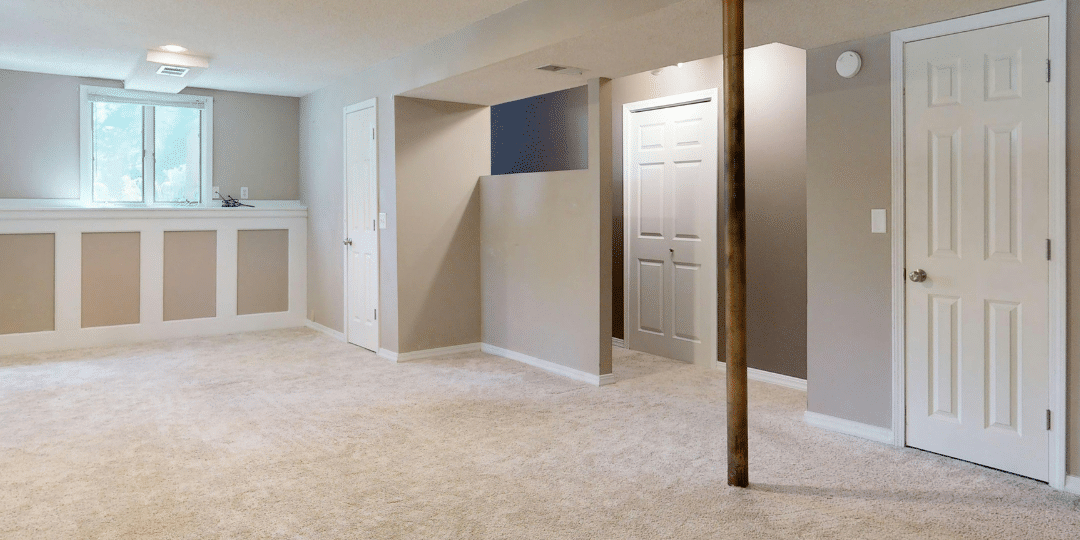
Paint walls and ceilings in light, neutral shades to reflect more light.
-
Opt for light-toned flooring—like luxury vinyl plank, tile, or carpet in beige or gray tones.
-
Use glossy or semi-gloss finishes on trim, cabinetry, or accent pieces to bounce light around the room.
-
Incorporate glass or mirrored elements, especially near windows or light sources.
Finishes matter just as much as lighting fixtures when it comes to brightening up a space.
-
-
Select the Right Fixtures for Low Ceilings
If your finished basement has limited ceiling height or exposed ductwork, you’ll need space-saving lighting:
-
Recessed lighting is ideal for keeping sightlines clear and minimizing visual clutter.
-
Track lighting systems offer flexibility and can be aimed to highlight specific areas.
-
Wall sconces provide soft, indirect light without taking up floor space.
-
Use LED lighting for energy efficiency and long-lasting performance.
Smart lighting controls and dimmers allow you to adapt brightness levels throughout the day or for different activities.
-
-
Add Smart Lighting Features
Today’s smart lighting systems offer customizable brightness, warmth, and scheduling:
-
Adjust color temperature for daytime focus or evening relaxation
-
Set scenes for entertaining, working, or watching movies
-
Control lighting with your smartphone or voice assistant
-
Integrate lighting with other smart home systems like security or HVAC
Smart lighting not only improves usability but also supports energy efficiency in your finished basement.
-
Why Lighting Matters in a Finished Basement
Proper lighting in a basement isn’t just about looks—it’s essential for:
-
Comfort and functionality for everyday use
-
Safety by eliminating dark corners or stairways
-
Energy efficiency with low-heat LED and motion sensor technology
-
Improved resale value, especially for basements that serve as bedrooms, gyms, or home offices
If your basement still feels more like a storage room than a living space, lighting is the most effective place to start.
Ready to Brighten Your Basement? Call HWG Services
At HWG Services, we specialize in basement remodeling and home renovation projects throughout Fort Collins and the surrounding areas. From basement lighting upgrades to full basement finishing, our team ensures every detail supports comfort, safety, and style.
We’ll help you select the right lighting, layout, and finishes to maximize your basement’s potential—no matter your starting point.
Contact HWG Services today for a free consultation, and let us transform your basement into a bright, functional space your whole family will love.
FAQs: Maximizing Light in a Finished Basement
-
What type of lighting is best for low basement ceilings?
Recessed lighting is the top choice for basements with low ceilings, as it provides even coverage without taking up space. Wall sconces and track lighting are also good alternatives.
-
Can I install egress windows to increase natural light?
Yes—egress windows not only bring in more light but also meet safety code requirements if you’re converting the basement into a bedroom or guest suite.
-
How can I make a windowless basement feel brighter?
Use layered artificial lighting, bright paint colors, mirrors, and glossy surfaces to reflect and amplify available light.
-
Is LED lighting good for basements?
Absolutely. LED lights are energy-efficient, long-lasting, and come in a variety of brightness levels and color temperatures to suit different basement uses.
-
Can smart lighting improve the usability of a finished basement?
Yes—smart lighting systems allow you to adjust brightness, color temperature, and timing with ease, helping create a dynamic and functional space.