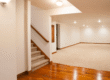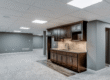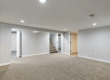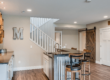
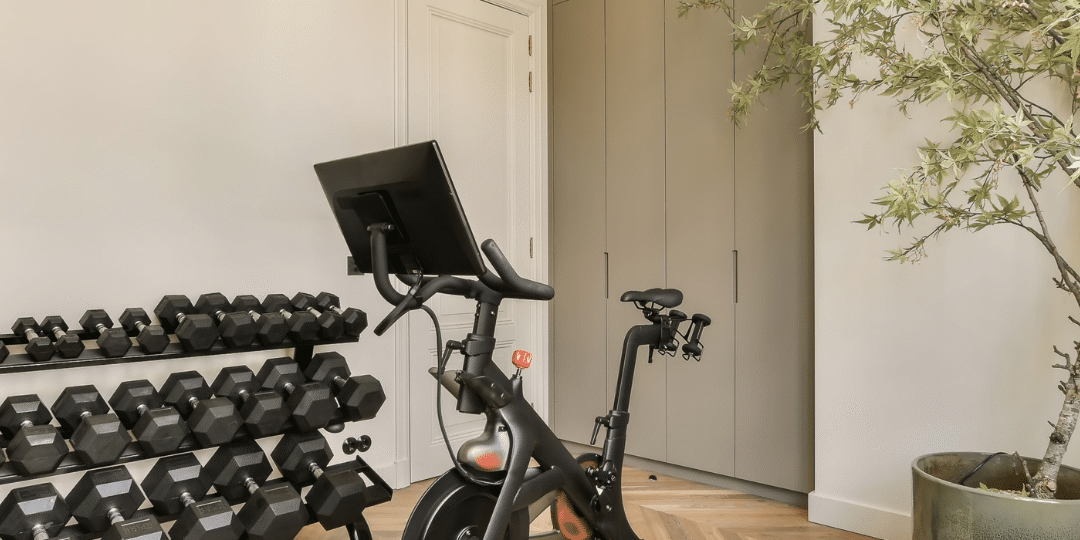
Turning your basement into a home gym is one of the most effective ways to invest in both your health and your property. A well-designed basement workout room adds usable square footage, increases home value, and gives you a private space to focus on your fitness goals—whether that’s strength training, cardio, yoga, or everything in between.
But before you start hauling in your bench press and treadmill, there are several important factors to consider—from proper waterproofing and ventilation to floor choice and lighting. Here’s how to remodel a basement into a gym safely, efficiently, and with lasting value.
1. Start With a Safe, Dry Foundation
Basements are notorious for moisture, and a home gym filled with equipment, mats, and electronics is especially vulnerable to humidity and mildew. Start your renovation with proper waterproofing, moisture barriers, and insulation. If you notice cracks in the concrete floor, standing water, or mold, address these issues before building.
Also consider airflow. Install a ceiling fan, dehumidifier, or mechanical ventilation to regulate temperature and prevent odors from lingering in your basement exercise room.
2. Choose the Right Flooring and Wall Materials
When it comes to flooring, avoid bare concrete. Instead, opt for:
- Rubber gym tiles for shock absorption
- Durable vinyl planks for easy cleaning
- Padded carpet tiles for quieter spaces like a yoga or Pilates zone
Walls should be finished with mold-resistant drywall or wall panels. Use durable, low-VOC paint and include at least one mirror to check form during workouts.
3. Plan Your Layout Around Your Workout Style
Your basement home gym should reflect your routine. Here are a few home gym in basement ideas to spark inspiration:
- Strength training area with barbell, rack, and bench press
- Cardio zone with a treadmill, rowing machine, or bike
- Flex space for bodyweight exercises, yoga mats, or stretching
- Wall storage for equipment, dumbbells, resistance bands, or a punching bag
Measure your ceiling height to ensure you can safely do squats, presses, or jumping movements. Also leave enough space between machines for easy movement and safety.
4. Don’t Forget Comfort and Functionality
The best basement workout rooms feel just as motivating as any gym. Lighting plays a big role—opt for overhead LED fixtures and supplement with floor lamps or natural light, if available. Soundproofing with insulation helps reduce noise, especially under living spaces like the kitchen or bedroom.
You’ll also want to consider a small bathroom addition or utility sink nearby to make cleanup easier after a long workout.
5. Think Long-Term ROI
A professionally finished basement adds real equity to your home. While a DIY project may be tempting, working with an experienced contractor ensures structural safety, long-term durability, and proper permitting. Not only does this increase property value, but it also gives future buyers a standout feature if you ever decide to sell.
Need Help Building Your Basement Gym?
At HWG Services Remodeling & Construction, we specialize in basement renovations that combine function, comfort, and long-term value. Whether you want a sleek weightlifting setup, a calming yoga room, or a complete home gym with custom finishes, our expert team in Fort Collins will handle every step—from layout and framing to flooring, masonry, and moisture control.
Let us help you build a gym that inspires results. Contact HWG Services today to schedule your basement gym consultation.
FAQ: Basement Home Gym Remodel
1. What’s the best flooring for a basement gym?
Rubber flooring, foam mats, or luxury vinyl planks are all excellent options for absorbing impact and resisting moisture. Avoid hardwood or laminate on concrete floors.
2. Can I put heavy gym equipment in my basement?
Yes, but check your floor load capacity. Reinforced concrete floors generally support most gym equipment, including racks, treadmills, and weights.
3. Do I need a permit to remodel my basement into a gym?
If your renovation involves electrical, structural changes, or adding plumbing (like a bathroom), you’ll likely need a permit. HWG Services can handle all local code compliance for you.
4. How do I control moisture in a basement gym?
Start with a vapor barrier and waterproofing treatment. A dehumidifier and proper ventilation will help prevent mildew, odors, and equipment damage.
5. How much space do I need for a functional gym?
You can start with as little as 150–200 square feet for cardio and strength equipment. Just be sure to account for ceiling height, equipment size, and clearance.