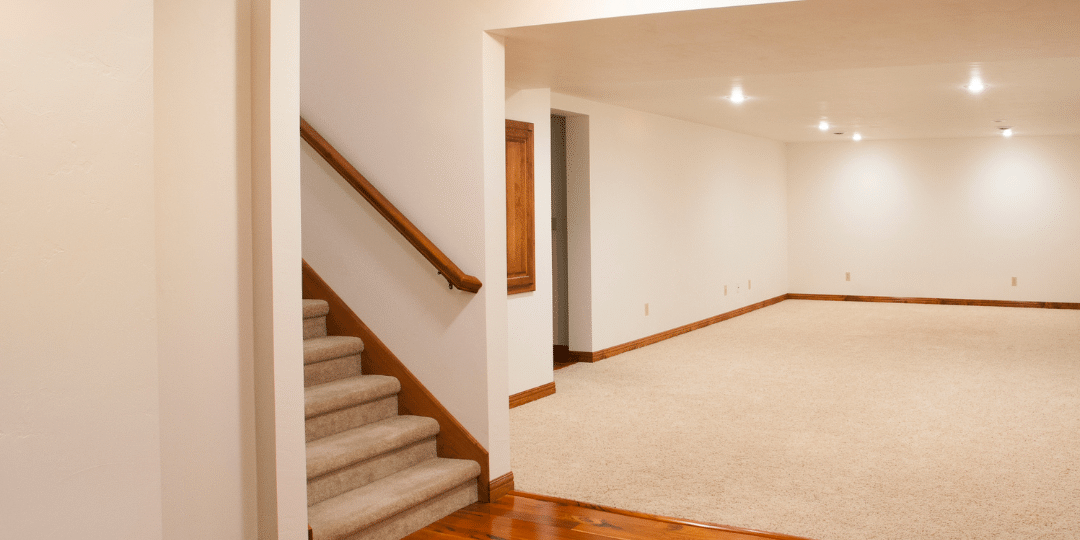
A basement remodel can dramatically increase the usable space in your home and create areas for relaxing, entertaining, or working from home. Many homeowners consider a basement finishing project to add features like a home gym, basement bathroom, spare bedroom, or even a family entertainment space with a projector screen and sectional sofa. However, before starting any home renovation or home remodel, one step is essential: waterproofing.
Without proper waterproofing, moisture problems can damage flooring, walls, and structural components. Water intrusion can lead to mold growth, unpleasant odors, and expensive repairs that could jeopardize your entire basement finishing project. Taking time to waterproof your basement first ensures that your remodeling investment lasts for years.
Below we’ll explain why waterproofing matters, how to prepare your basement before remodeling, and what steps homeowners should take before starting the construction process.
Why Waterproofing Is Essential Before Basement Finishing
Basements are naturally vulnerable to moisture because they sit below ground level. Groundwater pressure, poor drainage, and humidity can cause water to seep through concrete walls, foundation cracks, or flooring.
When moisture enters the basement, it can damage materials used during remodeling, including drywall, flooring, and insulation. Even minor leaks can ruin elements like vinyl flooring planks, cabinetry, or custom finishes.
Waterproofing protects your investment and creates a stable environment before installing features such as:
- Wet bar areas for entertaining
- A basement bathroom with plumbing fixtures
- A spare bedroom or guest suite
- Entertainment spaces with a game table or seating area
- Storage areas with storage cabinets
- Dedicated fitness areas like a home gym
Addressing water issues before the remodel ensures the finished basement remains comfortable, safe, and durable.
Common Sources of Basement Moisture
Before waterproofing begins, it’s important to identify where moisture may be entering your basement. Some common causes include:
Groundwater seepage
Water from surrounding soil can push through small cracks in the foundation or basement floor.
Poor exterior drainage
Improper grading around the home can cause rainwater to collect near the foundation.
Condensation and humidity
Basements often have higher humidity levels due to poor airflow or temperature differences.
Foundation cracks and structural openings
Cracks near support columns, wall joints, or concrete floors can allow water to enter.
Plumbing or system leaks
Basements often house mechanical systems like the electrical panel, plumbing pipes, and HVAC equipment. Leaks from these systems can contribute to moisture problems.
Understanding these issues helps contractors determine the best waterproofing solution before beginning a remodel.
Step-by-Step Basement Waterproofing Before Remodeling
Waterproofing your basement involves several key steps to protect the structure and prepare it for finishing.
1. Inspect the Basement for Moisture and Damage
Start by inspecting the basement carefully for signs of moisture. Look for:
- Water stains on walls or floors
- Mold or mildew odors
- Damp drywall or peeling paint colors
- Cracks in concrete or foundation walls
- Moisture near support columns or structural beams
Professional contractors often perform a full inspection to identify hidden water issues before the remodeling process begins.
2. Repair Cracks and Structural Issues
Cracks in concrete walls or floors allow water to seep into the basement over time. These cracks must be repaired before installing finished materials.
Common repair methods include:
- Epoxy injections for structural cracks
- Concrete patching
- Foundation sealing around wall joints
Addressing these problems early ensures the basement remains dry during and after the construction process.
3. Apply Waterproof Sealants
Waterproof sealants are applied to basement walls and floors to create a barrier against moisture. These coatings help prevent groundwater from entering the basement.
This step is particularly important before installing materials like:
- Vinyl flooring planks
- Drywall and insulation
- Wall treatment or decorative finishes
- Built-in cabinetry or storage cabinets
Sealants provide an added layer of protection that helps maintain a dry and stable environment.
4. Install Drainage Systems or Sump Pumps
If your basement is prone to flooding or heavy moisture, installing a drainage system may be necessary.
A sump pump system collects water and directs it away from the foundation, helping prevent flooding during storms or snowmelt. Interior drainage channels can also redirect water to the sump system.
These systems are especially important in homes where the basement will include finished living areas like entertainment rooms or guest bedrooms.
5. Improve Ventilation and Lighting
Once waterproofing is complete, the next step is creating a comfortable environment for finishing.
Many homeowners incorporate improvements such as:
- Recessed lighting or recessed lights for low basement ceilings
- Updated ventilation to control humidity
- Strategic lighting to brighten darker areas
Proper lighting and airflow make the basement feel more like a natural extension of the home.
Planning Your Basement Remodeling Project
After waterproofing is complete, homeowners can begin planning the design and layout of the finished space. There are many remodeling ideas for transforming basements into functional areas.
Popular basement remodeling features include:
- A comfortable entertainment space with a sectional sofa and projector screen
- A recreation area with a game table or lounge seating
- A home gym for convenient workouts
- Guest accommodations with a spare bedroom and basement bathroom
- Custom shelving and storage cabinets for organization
- A stylish wet bar for entertaining
Choosing durable materials such as vinyl flooring planks, modern paint colors, and decorative wall treatment options helps create a welcoming and long-lasting space.
Before starting the remodel, homeowners should also confirm any required building permits and ensure the design meets local building codes.
Professional Waterproofing vs DIY Projects
Some homeowners attempt basement waterproofing as part of DIY projects, but basement moisture problems can be complex.
Professional contractors bring expertise in diagnosing water intrusion, installing drainage systems, and ensuring the basement structure is properly protected before remodeling begins.
Working with experienced professionals also helps streamline the entire construction process, ensuring the basement is ready for finishing without costly mistakes.
Transform Your Basement with HWG
If you’re considering a basement finishing project, proper preparation is the key to long-term success. At HWG, our experienced team specializes in complete home renovation and home remodel services, including basement transformations designed to maximize comfort, functionality, and value.
From waterproofing preparation to the final stages of your basement finish project, our team guides homeowners through every step of the process. Whether you’re adding a home gym, guest suite, entertainment room, or custom storage solutions, we focus on craftsmanship, quality materials, and thoughtful design.
Contact HWG today to schedule a consultation and learn how our remodeling services can transform your basement into a comfortable and functional living space.
Frequently Asked Questions
Why is waterproofing important before basement finishing?
Waterproofing prevents moisture damage that could ruin drywall, flooring, cabinetry, and other finishes installed during a basement remodel.
How long does basement waterproofing usually take?
Most waterproofing projects take one to several days depending on the condition of the basement and the extent of repairs needed.
Do I need permits for a basement remodel?
Many basement remodeling projects require building permits, especially when adding plumbing, electrical work, or new living spaces.
What flooring works best in finished basements?
Durable materials like vinyl flooring planks are popular because they resist moisture and provide long-term durability.
What rooms can be added in a finished basement?
Finished basements can include entertainment areas, Spare Bedrooms, Basement Bathrooms, home gyms, game rooms, wet bars, and additional storage areas.