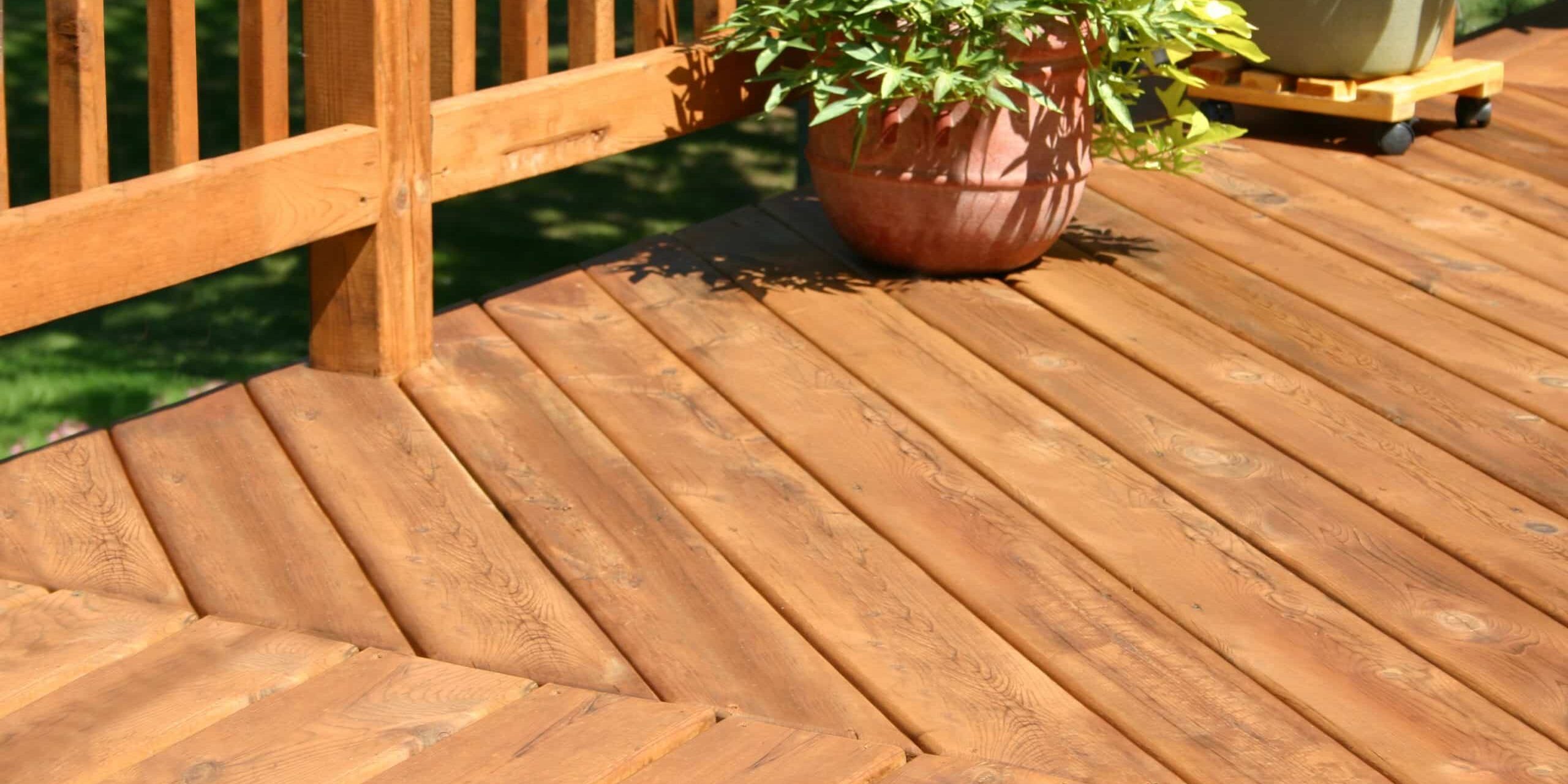
Few things define Colorado living like a great deck. Morning coffee with a view of the Front Range, summer evenings with friends, autumn mornings wrapped in a blanket watching the leaves turn. A well-built deck transforms how you use your home. But Colorado is also one of the toughest climates in the country to build for, and the material you choose makes the difference between a deck that ages gracefully and one that needs replacing in a decade.
At HWG Services Remodeling & Construction in Fort Collins, CO, we’ve been building decks across Northern Colorado for more than 25 years. We’ve watched materials evolve, seen what holds up at altitude, and learned which products genuinely deliver on their warranties. Here’s our honest 2026 guide to the best deck materials for Colorado homeowners.
What Makes Colorado So Hard on Decks
Before comparing materials, it helps to understand what your deck actually faces here in Northern Colorado.
Altitude and UV. Fort Collins sits at roughly 5,000 feet, and the surrounding foothills climb much higher. Thinner atmosphere means stronger UV radiation, which breaks down wood fibers, fades finishes, and degrades lower-quality plastics faster than at lower elevations.
Freeze-thaw cycles. We average more than 100 days per year where temperatures cross the freezing mark. Water seeps into cracks during the day, freezes overnight, and expands. Over a few seasons, this can split boards, pop fasteners, and loosen connections.
Dramatic temperature swings. A 60-degree day-to-night swing is not unusual in Northern Colorado. Materials that don’t handle expansion and contraction well end up warped, cupped, or buckled.
Dry air. Our low humidity pulls moisture out of natural wood, leading to splitting and surface checking when boards aren’t sealed regularly.
Heavy spring snow. Wet, heavy snow can add significant weight to a deck overnight, demanding solid structural framing regardless of the surface material.
Now let’s look at how the five most common decking materials actually hold up.
Pressure-Treated Lumber
Pressure-treated pine remains the most affordable decking material on the market. Chemical preservatives are forced deep into the wood to protect against rot and insects, making it a popular starting point for budget-conscious homeowners.
In Colorado: Pressure-treated lumber handles moisture better than untreated wood, but the dry climate and constant UV exposure take a real toll. Expect surface cracking, fading, and minor warping within five to seven years if the deck isn’t sealed annually.
Maintenance: Plan on sealing or staining every one to two years, with a thorough cleaning before each application.
Lifespan in Northern Colorado: 10 to 15 years with consistent maintenance.
Best for: Homeowners working with a tighter budget who don’t mind annual upkeep. Also a reliable choice for the structural framing underneath composite or PVC surface boards.
Cedar and Redwood
Cedar and redwood are the go-to choices for homeowners who want the warmth of natural wood without chemical treatment. Both species contain natural oils that resist insects and decay.
In Colorado: Cedar and redwood do well against moisture thanks to their natural oils, but they fade quickly under Colorado’s intense UV. Without a quality stain, both will turn silvery-gray within a single summer. South and west-facing decks see the worst of it, with surface checking and splits forming faster than in shaded installations.
Maintenance: UV-protective stain or oil every one to two years. Skip a season and you’ll see real degradation, not just cosmetic graying.
Lifespan in Northern Colorado: 15 to 20 years with regular maintenance. Redwood usually outlasts cedar.
Best for: Homeowners who love the look of natural wood and are committed to the maintenance schedule. Performs best on covered or shaded decks.
Tropical Hardwoods
Ipe, cumaru, and tigerwood are the heavyweights of natural decking. These dense tropical hardwoods are remarkably resistant to rot, insects, and moisture, and they bring a rich color that no other material quite matches.
In Colorado: Tropical hardwoods are some of the best-performing natural materials at our altitude. Their extreme density absorbs almost no moisture, which makes them highly resistant to freeze-thaw damage. UV will still fade the surface to a silver-gray patina over time, but the wood itself stays structurally sound for decades.
Maintenance: A UV-protectant oil once or twice a year preserves the original brown color. Many homeowners skip this and let the wood gray naturally without any loss of structural integrity.
Lifespan in Northern Colorado: 25 to 40+ years.
Considerations: Installation requires experienced crews. The boards are so dense that every fastener hole must be pre-drilled, which extends labor time and increases project cost.
Best for: Homeowners willing to invest more upfront for a deck that will likely outlast every other material on this list.
Composite Decking
Composite decking blends recycled wood fibers with plastic polymers, then wraps the boards in a protective cap that blocks moisture and UV. Brands like Trex, TimberTech, and Fiberon have made composite the most popular decking choice in Northern Colorado over the last decade.
In Colorado: Modern capped composite handles our climate exceptionally well. The polymer cap blocks moisture from reaching the wood-fiber core, which essentially eliminates freeze-thaw damage to the boards. UV resistance is built in, so fading is gradual and minimal. The one consideration is expansion and contraction. Composite moves more than wood with temperature changes, so proper gapping during installation is critical.
Maintenance: Periodic cleaning with soap and water. No sanding, sealing, or staining ever.
Lifespan in Northern Colorado: 25 to 30+ years, often backed by 25-year manufacturer warranties.
Best for: Homeowners who want the look of wood without the upkeep. This is the most popular material we install in Fort Collins, and for good reason.
PVC Decking
PVC decking contains no wood at all. It’s made entirely from synthetic polymers, which gives it a clear advantage when moisture is your biggest enemy.
In Colorado: PVC absorbs zero moisture, which makes it nearly immune to freeze-thaw damage, mold, mildew, and rot. Newer formulations handle UV well, though some lighter colors may show subtle fading over many years. PVC is also lighter than composite and slightly more dimensionally stable.
Maintenance: Rinse with a hose and mild soap as needed. That’s essentially it.
Lifespan in Northern Colorado: 25 to 30+ years, often with lifetime limited warranties.
Best for: Homeowners who want the absolute lowest maintenance possible, or whose decks face heavy moisture exposure (think pool decks or hot tub surrounds).
How to Choose the Right Material for Your Home
The right deck material depends on more than just budget. Consider:
Sun exposure. South and west-facing decks get punished by UV. Composite or PVC will outperform natural wood in those locations. North-facing or covered decks can handle cedar or redwood much better.
Elevation. Homes in Loveland, Estes Park, or the foothills above Fort Collins see even more intense UV and more frequent freeze-thaw cycles than the valley floor. Higher elevations favor composite, PVC, or tropical hardwoods.
Lifestyle. If you entertain regularly, scratch and stain resistance matter. Composite and PVC handle furniture, grills, and spilled drinks far better than natural wood.
Honest maintenance commitment. Be realistic. A homeowner who picks pressure-treated lumber but skips sealing will end up with a deck that looks rough in five years. A well-chosen low-maintenance material will outperform a high-maintenance one that gets neglected every time.
Long-term value. A composite or PVC deck that lasts 30 years with almost no upkeep often beats a cheaper deck that needs replacing twice in the same period.
Why Installation Matters Just as Much as Material
Even the best decking material will fail if installation cuts corners. In Northern Colorado specifically, a few details make a major difference.
Footings should extend at least 36 inches below grade to clear the frost line. Shallow footings heave with freeze-thaw cycles and destabilize the entire structure. Composite and PVC boards need proper expansion gaps to handle temperature swings, and the spacing varies by manufacturer and elevation. Stainless steel or coated fasteners resist corrosion from Colorado’s weather extremes. Closer joist spacing (12 to 16 inches on center) provides better support for heavy spring snowfall. And good ventilation under the deck prevents moisture buildup that accelerates decay in natural wood.
These aren’t optional details. They’re the difference between a deck that lasts a decade and one that lasts a generation.
Build a Deck That Lasts With HWG Services
A great deck is part design, part material selection, and part skilled installation. Get any one of those pieces wrong and the whole project suffers. Get them all right and you’ve added one of the most valuable, most enjoyable spaces your home will ever have.
At HWG Services Remodeling & Construction, we’ve been building decks across Fort Collins, Loveland, Windsor, and the rest of Northern Colorado for over 25 years. Our team will walk you through every material option, show you real samples, evaluate your lot for sun exposure and elevation considerations, and design a deck that fits your home, your lifestyle, and your budget.
Ready to start planning your 2026 deck project? Contact HWG Services today for your free estimate. Your perfect outdoor space is closer than you think.
FAQ: Deck Materials for Colorado
1. What is the best decking material for Northern Colorado?
For most Fort Collins homeowners, capped composite decking offers the best balance of durability, appearance, and low maintenance. PVC is the best choice for the absolute lowest maintenance, and tropical hardwoods are ideal for homeowners who want natural wood that will last for decades.
2. How long does a deck typically last in Colorado?
It depends entirely on the material. Pressure-treated lumber lasts 10 to 15 years, cedar and redwood last 15 to 20 years, while composite, PVC, and tropical hardwood decks routinely last 25 years or more.
3. Do I need a permit to build a deck in Fort Collins?
In most cases, yes. The City of Fort Collins requires a building permit for decks above a certain size or height, and HOA approval may also be required depending on your neighborhood. HWG Services handles all permitting on your behalf as part of every deck project.
4. Is composite decking worth the extra upfront cost?
For most Colorado homeowners, yes. The maintenance savings, longer lifespan, and stronger warranty coverage typically make composite a better long-term value than pressure-treated or cedar, even though the initial investment is higher.
5. How does altitude affect deck materials?
Higher altitude means stronger UV exposure and more frequent freeze-thaw cycles. For homes in the foothills above Fort Collins, composite, PVC, or tropical hardwoods will significantly outperform pressure-treated lumber or cedar.
6. Will a new deck add value to my home?
Yes. A well-built deck typically returns 60 to 80 percent of its cost at resale and dramatically improves the everyday enjoyment of your home. In Northern Colorado, where outdoor living is a major lifestyle factor, decks are one of the highest-ROI exterior improvements a homeowner can make.