Siding is the first thing anyone sees when they pull up to your home, and it’s also the first line of defense against everything Colorado weather can throw at it. Between hailstorms that can total a roof in 15 minutes, intense UV at altitude, freeze-thaw cycles, and our famously dry air, this is one of the toughest climates in the country for exterior materials. The siding you choose makes a real difference in how your home looks, performs, and holds its value for decades to come.
At HWG Services Remodeling & Construction, we’ve been installing and repairing siding across Fort Collins and Northern Colorado for over 25 years. We’ve seen every material on every kind of home, and we’ve watched how each one ages through Colorado seasons. Here’s our honest guide to the best siding options for your home in 2026.
What Colorado Weather Actually Does to Siding
Before getting into specific materials, it helps to know what they’re up against here:
Hail. Northern Colorado sits squarely in “hail alley,” one of the most hail-prone regions in the entire country. Front Range homeowners can expect multiple significant hailstorms each summer, with stones occasionally exceeding two inches in diameter. Hail resistance is arguably the single most important factor in choosing siding here.
UV exposure. At over 5,000 feet of elevation, Fort Collins gets significantly more UV radiation than lower-altitude regions. Inexpensive siding fades, becomes brittle, and breaks down faster here than in most of the country.
Freeze-thaw cycles. With more than 100 days each year crossing the freezing mark, any siding that absorbs moisture is going to suffer.
Dramatic temperature swings. A 50 to 60-degree daily temperature swing is common in Northern Colorado. Siding that doesn’t handle expansion and contraction well develops cracks, gaps, and warps over time.
Wind. Front Range windstorms regularly hit 50 to 70 mph, with extreme events going higher. Lightweight or poorly installed siding can be ripped right off a wall.
With those forces in mind, here are the realistic options.
Vinyl Siding
Vinyl is the most affordable mainstream siding on the market, and it remains popular nationally. However, Colorado conditions expose its weaknesses pretty quickly.
Pros: Low upfront cost, easy installation, broad color selection, no painting required.
Cons: Vulnerable to hail damage, prone to cracking in cold temperatures, fades noticeably under Colorado UV, can warp and buckle in high heat. Lower-grade vinyl often looks dated within a decade.
Lifespan in Northern Colorado: 15 to 25 years, with the lower end being more common after significant hail events.
Bottom line: Vinyl can work for budget-driven projects, especially when paired with the highest-grade products and proper insulation behind it. For most Colorado homeowners, though, the long-term value just isn’t there compared to other options.
Wood Siding
Cedar, redwood, and pine siding deliver a warmth and authenticity that no synthetic material fully matches. For mountain homes, historic Old Town Fort Collins properties, and cabin-style designs, wood remains beautiful.
Pros: Stunning natural appearance, customizable through stains and paint, can be repaired piece by piece, renewable material.
Cons: High maintenance commitment, requires sealing or staining every few years, vulnerable to moisture, rot, insects, and fire. Hail can dent or split panels.
Lifespan in Northern Colorado: 20 to 40 years with consistent maintenance. Significantly less if neglected.
Bottom line: Wood is a labor of love. For the right home and the right owner who genuinely enjoys maintenance, it’s gorgeous. For most modern homeowners, the upkeep is more than they want to take on.
Engineered Wood Siding
Engineered wood products, like LP SmartSide, are manufactured from wood strands treated with resins, waxes, and zinc borate, then formed into siding panels that look like real wood but perform much better.
Pros: Authentic wood look without the maintenance demands, strong impact resistance (notably better hail performance than vinyl or traditional wood), resistant to rot and insects, comes pre-primed and ready to paint. Often more affordable than fiber cement.
Cons: Still requires periodic painting (typically every 10 to 15 years), needs proper installation to maintain warranty, less mineral-based fire resistance than fiber cement.
Lifespan in Northern Colorado: 30 to 50 years with normal care.
Bottom line: Engineered wood has become one of the most popular siding choices for Fort Collins homeowners over the past decade, and for good reason. It hits the sweet spot of appearance, performance, and value.
Fiber Cement Siding
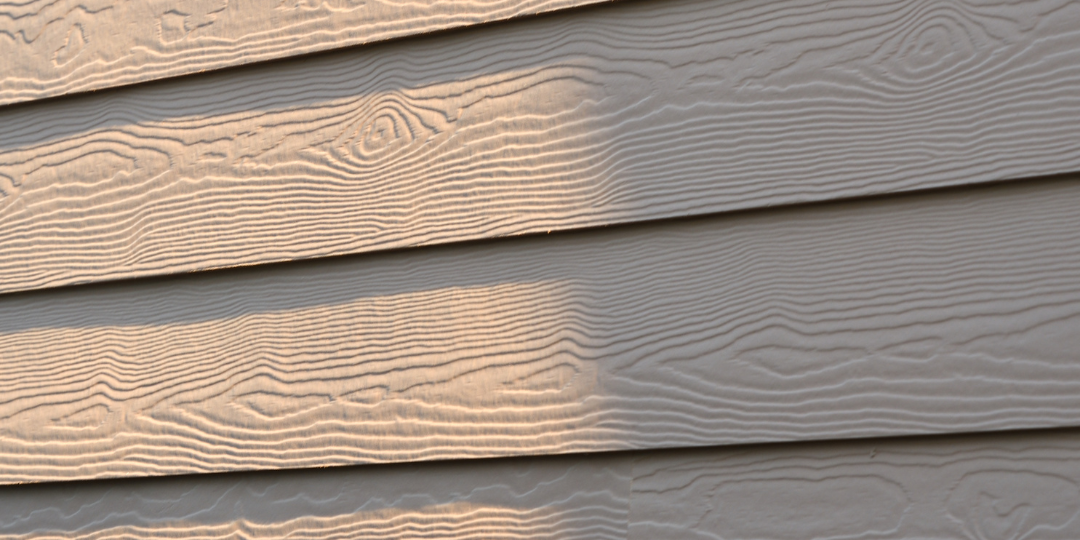
Fiber cement, made famous by brands like James Hardie, is a composite of cement, sand, and cellulose fibers. It’s the standard many other materials are measured against.
Pros: Excellent hail resistance, won’t crack from freeze-thaw, fire resistant, won’t rot or attract insects, holds paint exceptionally well, available in styles that mimic wood lap, shake, board and batten, and more. Very low maintenance.
Cons: Heavier and more labor-intensive to install (which raises labor costs), needs to be cut with specialized tools, paint will eventually need refreshing every 15 to 20 years.
Lifespan in Northern Colorado: 40 to 50+ years.
Bottom line: For homeowners who plan to stay in their home long-term and want the strongest balance of durability and appearance, fiber cement is hard to beat. It’s a premium investment, but the longevity justifies the cost for most Colorado homes.
Stucco
Stucco has a long history in Colorado, particularly on Spanish Colonial and Southwestern-style homes. Traditional three-coat stucco is a cement-based material applied over a lath system.
Pros: Excellent fire resistance, distinctive aesthetic for certain home styles, can last 50+ years when installed correctly, naturally insulating.
Cons: Susceptible to cracking from freeze-thaw and settling. Repairs are visible and can be tricky to match. Synthetic stucco (EIFS) has had a troubled history with moisture issues if not installed perfectly.
Lifespan in Northern Colorado: 30 to 50+ years for traditional stucco when properly maintained.
Bottom line: Stucco is right for specific architectural styles, but it requires expert installation and ongoing crack maintenance to perform well in our climate.
Steel and Metal Siding
Metal siding has steadily grown in popularity along the Front Range, driven largely by its hail performance. Steel siding products from brands like Quality Edge and Rollex are specifically engineered to resist denting from large hail.
Pros: Outstanding hail resistance (some products are warrantied against hail damage), fire resistant, low maintenance, recyclable, available in steel-shake and steel-lap profiles that mimic wood or fiber cement looks.
Cons: Higher upfront cost, fewer color options than vinyl, requires experienced installers familiar with metal trim and flashing details.
Lifespan in Northern Colorado: 40 to 60+ years.
Bottom line: For homeowners whose top concern is hail (especially after a costly insurance claim), steel siding is increasingly worth the investment.
How to Choose the Right Siding for Your Home
The right material depends on more than just the material itself. Consider:
Hail exposure. If your neighborhood has been hit hard in recent years, prioritize impact resistance. Steel, fiber cement, and engineered wood are the strongest performers.
Home style. A modern build, a historic Old Town home, and a mountain property near Estes Park each call for different aesthetics. The right material should fit the architecture.
Maintenance comfort level. Be honest. If repainting every 10 to 15 years sounds like a hassle, choose a material designed for minimal upkeep.
Long-term plans. If you plan to sell in five years, the calculation differs from a 25-year forever home. Higher-end siding delivers stronger ROI on longer timelines.
Budget. All-in costs for siding in Fort Collins typically range from $8 to $20 per square foot installed, depending on the material. The cheapest option rarely delivers the best long-term value.
Let HWG Services Protect and Beautify Your Home
Choosing siding is part research, part personal preference, and part practical assessment of your specific home and lot. Installing it correctly is what determines whether your investment lasts 20 years or 50.
At HWG Services Remodeling & Construction in Fort Collins, CO, we’ve spent over 25 years helping Northern Colorado homeowners choose the right siding materials for their homes and install them with the care these products deserve. Whether you’re rebuilding after hail damage, modernizing a tired exterior, or planning a full exterior overhaul with new siding, soffits, and trim, our team will walk you through every option and deliver workmanship built to last.
Ready to give your home an exterior that holds up to whatever Colorado throws at it? Contact HWG Services today or call us at (970) 893-9006 for your free estimate. Beautiful, durable siding is closer than you think.
FAQ: Siding Materials for Colorado Homes
1. What’s the best siding for hail-prone areas like Fort Collins?
Steel siding, fiber cement, and engineered wood all offer significantly better hail performance than vinyl or traditional wood. Steel siding leads the pack and is often covered by hail-specific warranties from the manufacturer.
2. How long does siding typically last in Northern Colorado?
Lifespans vary widely by material. Vinyl runs 15 to 25 years, wood 20 to 40 years with maintenance, engineered wood 30 to 50 years, fiber cement 40 to 50+ years, and steel siding 40 to 60+ years.
3. How much does new siding cost in Fort Collins?
Most full siding replacement projects in Fort Collins range from $8 to $20 per square foot installed. For an average 2,000 square foot home, total project costs typically run from $15,000 to $40,000 depending on the material and complexity.
4. Does homeowner’s insurance cover hail damage to siding?
In most cases, yes. Hail damage to siding is typically covered under standard homeowner’s policies, though coverage details and deductibles vary. HWG Services regularly works directly with insurance adjusters during hail damage claims.
5. Will new siding improve my home’s energy efficiency?
Yes. Modern siding installation almost always includes a chance to upgrade insulation, house wrap, and air sealing. The right siding system can meaningfully reduce heating and cooling costs over time.
6. Do I need a permit to replace siding in Fort Collins?
For a like-for-like siding replacement, a permit is usually not required, but it depends on the scope of work and your specific property. HWG Services handles all permit verification and applications as part of every project.