

This is one of the first questions that comes up when homeowners start planning a bathroom remodel, and it’s usually framed as a style choice. It’s really a lifestyle choice. Whether a walk-in shower or a tub-shower combo is right for you comes down to how your household actually uses the bathroom day to day, how much space you’re working with, and what you’ll want down the road. Both are good options. The trick is matching the one you pick to the way you live, not just the look you’re after.
It Starts With How Your Household Lives
Picture a normal morning and a normal night in your house. If you’ve got young kids or a dog that needs the occasional bath, a tub earns its place fast. If it’s just you or two adults who shower and go, a tub can sit unused for years while taking up prime real estate. That daily reality should drive the decision more than anything you see in a showroom.
It’s also worth thinking a few years ahead. Plenty of homeowners around Fort Collins are remodeling with aging in place in mind, and that pushes the conversation toward showers you can step into easily. Others are raising a family and wouldn’t dream of giving up the tub yet. Neither answer is wrong. They just belong to different households.
The Case for a Walk-In Shower
Walk-in showers have become the go-to for primary bathrooms, and for good reason. They make a room feel bigger and more open, especially with a frameless glass panel and tile that runs straight across the floor without a tub breaking up the space. In a smaller bathroom, that openness can be the difference between cramped and calm.
The bigger advantage is access. A curbless or low-threshold entry means you’re not swinging a leg over a tub wall that can sit fifteen inches or higher off the floor. That matters for anyone with sore knees, balance issues, or a plan to stay in their home as they get older. It cuts down slip risk, which is no small thing in the one room where wet floors are a given. The tradeoff is maintenance of a different kind. There’s no deep basin to scrub, but you’ve got more exposed tile, grout, and glass, so a quick squeegee and the occasional resealing keep it looking sharp.
The Case for Keeping a Tub-Shower Combo
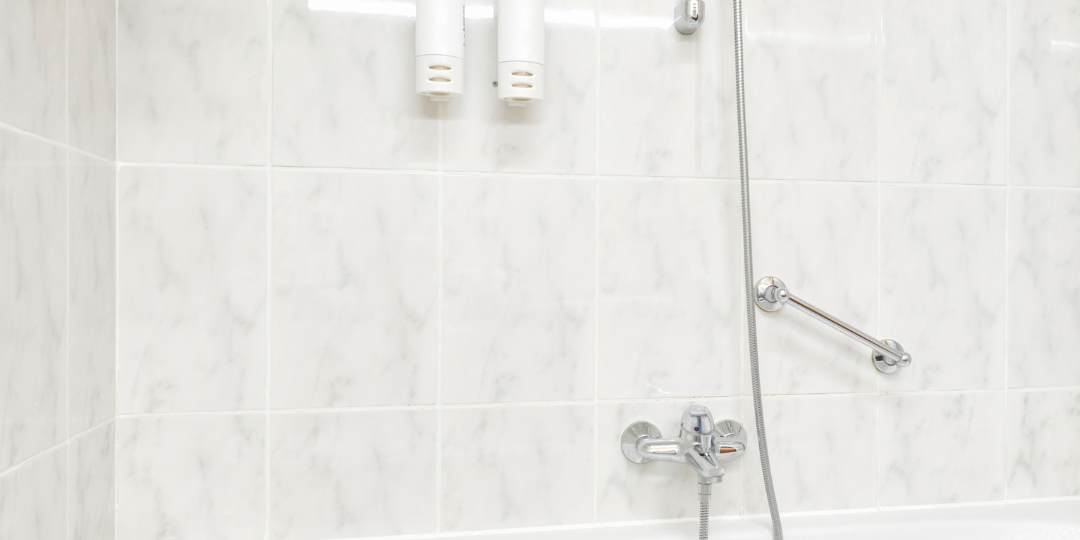
The tub-shower combo gets dismissed as the basic option, but it’s the most practical setup for a lot of homes. You get both functions in one fixed footprint, which is efficient when space or budget is tight. For families, it’s hard to beat. Bathing small kids in a shower is a wrestling match, and a tub handles that, plus the dog, plus the occasional long soak, all in the same spot.
If your home has only one full bathroom, the combo is usually the smart call, because that room has to do everything for everyone. The look leans more traditional and it’s enclosed with a curtain or a sliding door rather than open glass, but for the right household that’s a fair trade for the versatility.
Don’t Rip Out Your Last Tub
Here’s the honest advice that doesn’t always make it into these conversations: think hard before removing the only bathtub in the house. When you sell, buyers with young children very often treat at least one tub as a requirement, and a home with zero tubs can quietly lose a chunk of its market. That doesn’t mean you can’t have the walk-in shower you want. It means the smart move is usually to put the walk-in shower in the primary bathroom while keeping a tub in another bathroom somewhere in the house. You get the upgrade you’re after without creating a resale problem later.
If your home already has a tub in a second bathroom, converting the primary to a roomy walk-in shower is often a great decision with real appeal for buyers who want a spa-like main suite.
Space, Maintenance, and the Practical Stuff
Beyond lifestyle, a few practical points tip the scale. A walk-in shower can be sized to fit an awkward footprint, while a tub-shower combo sticks to a standard shape that may or may not suit your room. On cleaning, it’s a wash in different ways. A one-piece combo surround wipes down easily but the tub floor, drain, and caulk still need attention. A tiled walk-in has no basin to deal with but asks for regular care of the grout and glass. Weigh those against your tolerance for upkeep and you’ll usually know which way you lean.
Let HWG Services Help You Choose the Right Bathroom Setup
Every bathroom and every household is a little different, which is exactly why this choice deserves a real conversation instead of a default. At HWG Services Remodeling and Construction, we design and build bathroom remodels for homeowners across Fort Collins and Northern Colorado, and we’ll help you weigh space, resale, accessibility, and how you actually live before a single tile goes in. If a bathroom project is on your list, let’s figure out the setup that fits your home for the long haul.
FAQ: Walk-In Showers and Tubs in Fort Collins Homes
1. Is a walk-in shower or a tub-shower combo better for a small bathroom?
A walk-in shower often makes a small bathroom feel more open, especially with glass and continuous flooring. That said, if it’s your only full bathroom, a combo may be the more practical choice because it covers more needs.
2. Will removing my bathtub hurt my home’s resale value?
It can if it’s your only tub, since many buyers with young kids want at least one. The usual fix is to keep a tub in another bathroom and put the walk-in shower in your primary suite.
3. Are walk-in showers good for aging in place?
Yes. A low-threshold or curbless entry removes the need to step over a high tub wall, which reduces fall risk and makes the shower easier to use as mobility changes.
4. Which is easier to keep clean?
Each has its own upkeep. A walk-in shower has no tub basin to scrub but more glass and grout to maintain. A combo with a one-piece surround wipes down easily but the tub floor and caulk still need regular attention.
5. Can I convert my tub-shower combo into a walk-in shower?
In most cases, yes, as part of a bathroom remodel. It’s a popular upgrade for primary bathrooms, and it’s a good time to address waterproofing and accessibility while the space is opened up.
6. Do I have to choose just one for my home?
Not at all. Many homeowners put a walk-in shower in the primary bathroom and keep a tub-shower combo in a secondary bath, which covers both daily preference and future resale.


